

- April 30 2024
- Tyree Hunter
The Importance of Recovery in Fitness
Recovery is essential for optimal fitness results and long-term health, as well as repairing and adapting your body to exercise stress.
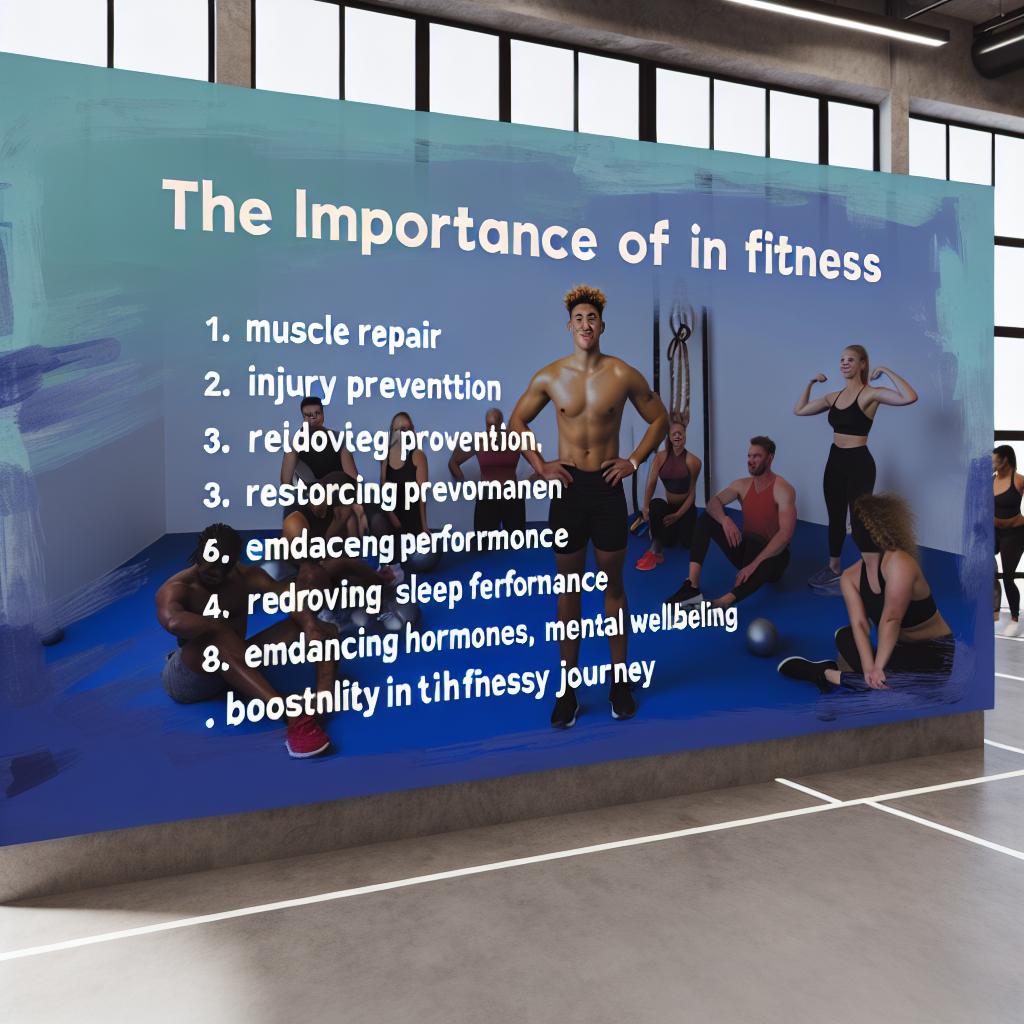
Fitness recovery is a crucial aspect of any training regimen that often gets overlooked. While pushing your limits during workouts is important for progress, equally prioritizing recovery is essential for optimal performance, injury prevention, and overall well-being. Here are some key reasons why fitness recovery is so important:
- Muscle Repair and Growth: During exercise, especially strength training, muscles undergo stress and micro-tears. Recovery time allows these muscles to repair and grow stronger, leading to improved performance and muscle development.
- Injury Prevention: Overtraining without adequate recovery increases the risk of injuries such as muscle strains, stress fractures, and joint issues. Taking time to recover allows your body to repair any minor damages and prevent more severe injuries.
- Restoring Energy Levels: Intense workouts deplete the body's energy stores, such as glycogen (carbohydrates stored in muscles) and electrolytes. Proper recovery replenishes these stores, ensuring you have the energy needed for your next workout.
- Reducing Fatigue and Burnout: Continuous high-intensity training without sufficient rest can lead to physical and mental fatigue, as well as burnout. Incorporating recovery days or active recovery activities helps prevent exhaustion and keeps motivation levels high.
- Enhancing Performance: Adequate recovery improves your overall performance by allowing you to train harder and more effectively during subsequent workouts. It helps maintain the quality of your training sessions, ensuring you get the most out of your efforts.
- Balancing Hormones: Intense exercise can disrupt hormone levels, such as cortisol (stress hormone) and testosterone (anabolic hormone). Proper recovery helps restore hormonal balance, which is crucial for muscle growth, metabolism, and overall health.
- Improving Sleep Quality: Physical activity can positively impact sleep quality, but overtraining or intense workouts close to bedtime can have the opposite effect. Incorporating recovery practices, such as stretching or relaxation techniques, can promote better sleep and overall recovery.
- Boosting Immune Function: Intense exercise temporarily suppresses the immune system, increasing susceptibility to illness. Prioritizing recovery supports immune function, reducing the risk of getting sick and allowing for consistent training.
- Mental Well-being: Recovery isn't just about physical rest; it also encompasses mental relaxation and stress reduction. Taking time to unwind and engage in activities you enjoy can help reduce stress levels and improve overall well-being.
- Longevity in Fitness Journey: Consistent and sustainable progress in fitness requires a balanced approach that includes adequate recovery. By prioritizing recovery alongside your workouts, you can maintain a healthier and more enjoyable fitness journey for the long term.
In conclusion, while pushing your limits is essential for progress, pay attention to the importance of recovery in your fitness routine. Incorporate rest days, active recovery activities, proper nutrition, hydration, and sleep to optimize your performance, prevent injuries, and promote overall health and well-being. Remember that recovery includes not only the physical aspect but also the emotional, mental, spiritual, etc. Recovery encompasses the full spectrum of wellness.
Leave Your Comment
Express your thoughts